
Sports Massage
As a remedial massage therapist with 18 years of experience treating athletes in Perth and Wembley, I understand the demands active people place on their bodies - and what it takes to recover, perform, and stay injury-free. My own background as a competitive swimmer, including competing at three Paralympic Games, taught me firsthand how crucial proper recovery and injury management are for athletic performance. When a neck and shoulder injury threatened my training before Sydney 2000, sports massage became an essential part of my recovery toolkit. Now I help athletes of all levels achieve their goals through specialised sports massage therapy.
Why Choose a Former Athlete for Your Sports Massage?
I've Been Where You Are
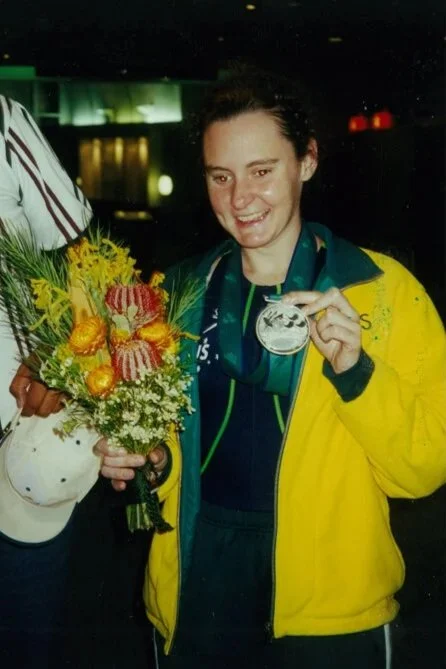
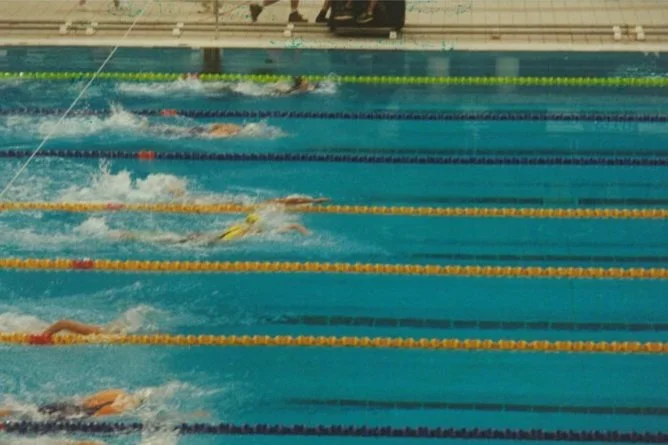
I competed in three Paralympic Games - Barcelona 1992, Atlanta 1996, and Sydney 2000 - winning 4 gold, 5 silver, and 1 bronze medals. I was honoured to recite the Athlete's Oath at the opening ceremony of the Sydney 2000 Paralympics.
But my athletic journey wasn't without challenges. A serious neck and shoulder injury while training for Sydney could have ended my career. Sports massage became my most effective recovery tool, allowing me to continue training and competing at the highest level.
This Experience Shapes How I Work with Athletes:
I understand the psychology of injury - the fear, frustration, and determination to return to your sport. I know what it means when someone says "I have a competition in three weeks" or "I can't afford to take time off training." I've experienced the difference between good recovery practices and great ones.
As an athlete, you need a massage therapist who understands:
Training cycles and periodisation
The difference between performance massage and injury treatment
How to work with your coach's training plan
When to push through discomfort and when to rest
The mental side of injury and recovery
What is Sports Massage?
Sports massage is a specialised form of massage therapy designed specifically for athletes and active individuals. Unlike general relaxation massage, sports massage focuses on:
Performance Enhancement
Improving flexibility, range of motion, and muscle function to help you perform at your best.
Injury Prevention
Identifying and addressing muscle imbalances, tension patterns, and tight areas before they become injuries.
Recovery Acceleration
Reducing muscle soreness, clearing metabolic waste, and speeding recovery between training sessions or competitions.
Injury Rehabilitation
Supporting your return to sport after injury through targeted treatment of affected tissues and restoration of full function.
Pain Management
Addressing chronic aches, overuse injuries, and compensation patterns that develop from repetitive movements.
Sports and Conditions I Treat
Athletes and Active Individuals:
Swimmers (my specialty - I understand the demands)
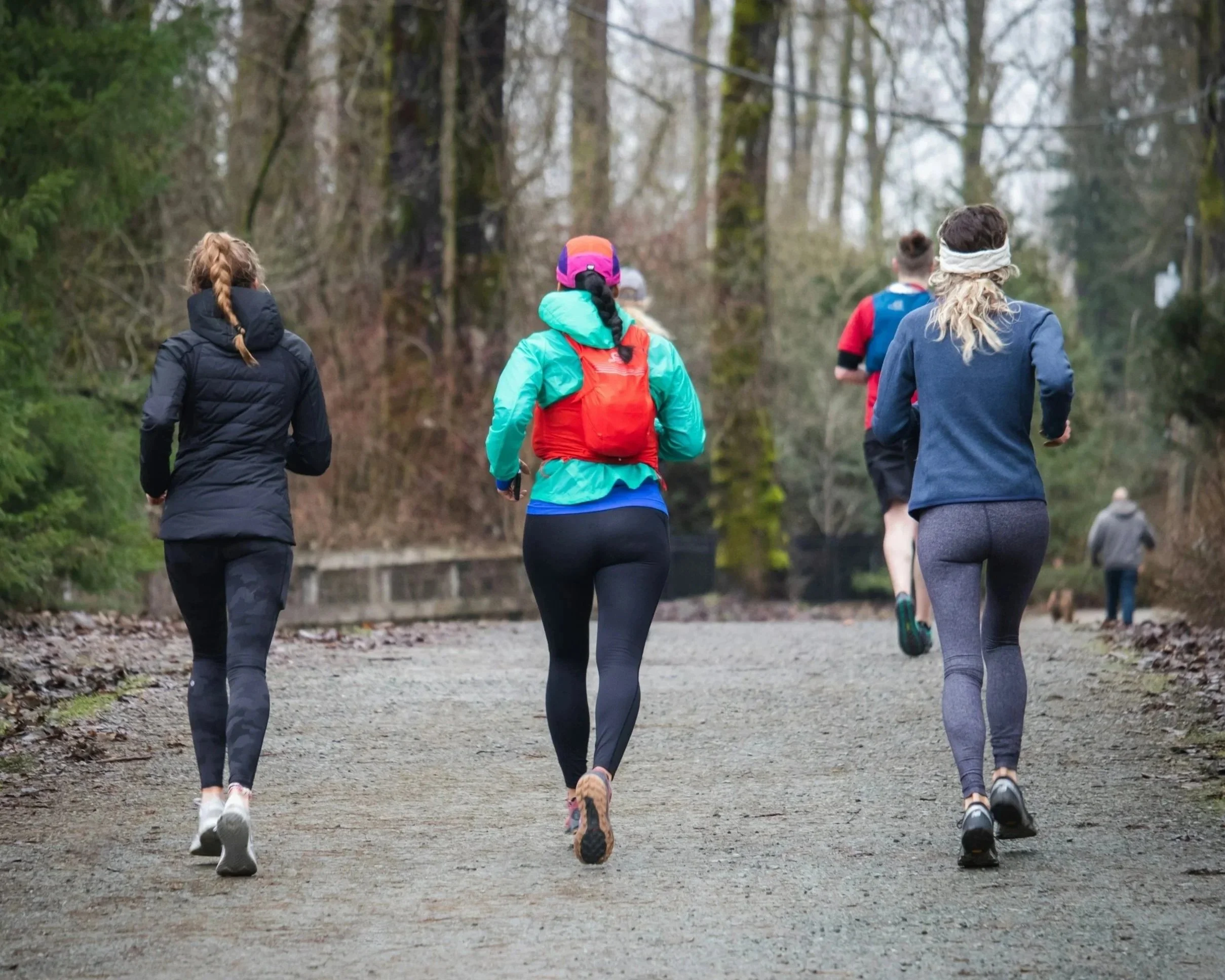
Runners and triathletes
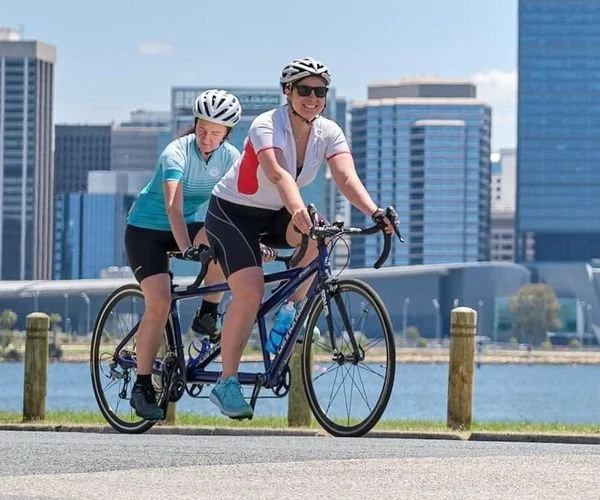
Cyclists
Gym enthusiasts and CrossFit athletes
Team sports players (football, netball, basketball, cricket)
Racquet sports (tennis, squash, pickleball)
Golfers
Martial artists
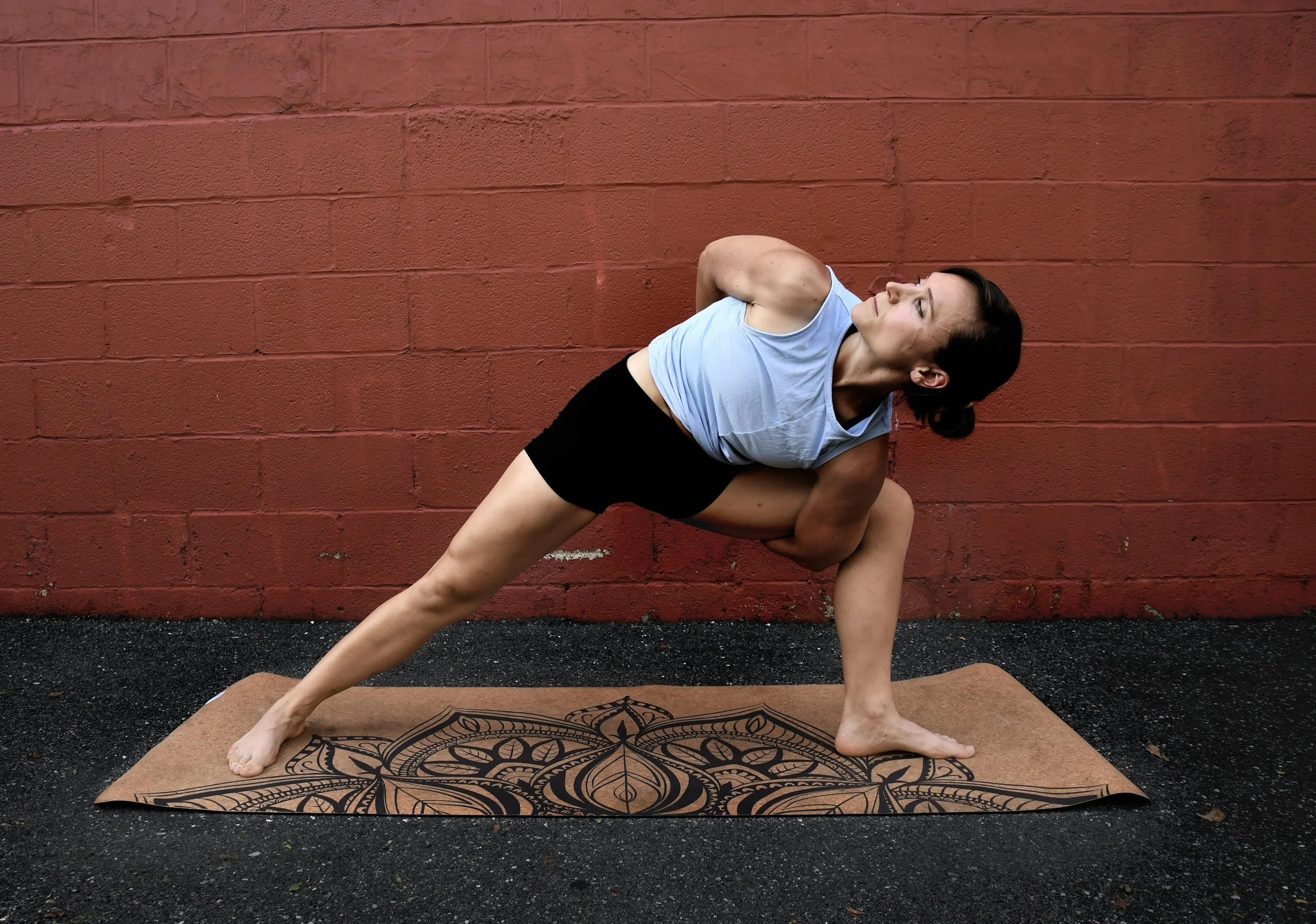
Yoga and Pilates practitioners
Weekend warriors returning to sport
Common Sports Injuries and Conditions:
Muscle strains and tears
Tendonitis (shoulder, elbow, achilles, patellar)
Shin splints
Rotator cuff issues
Tennis/golfer's elbow
Hamstring and calf tightness and injuries
Lower back pain from sport
Shoulder impingement
Hip flexor tightness
Post-exercise muscle soreness (DOMS)
Overuse injuries
Compensation patterns from old injuries
My Approach to Sports Massage
Assessment and Understanding Your Goals
Every athlete is different. In your first session at my Wembley clinic, I'll take time to understand:
Your sport and training scheduleYour performance goalsCurrent injuries or areas of concernTraining load and competition schedulePrevious injury historyWhat you need from massage therapy
Tailored Treatment Techniques
I use a combination of techniques based on your needs:
Deep Tissue Massage
Working into the deeper muscle layers to release chronic tension and address stubborn knots. Learn more if Deep Tissue Massage is right for you.
Trigger Point Therapy
Releasing specific trigger points that create referred pain patterns and limit performance.
Myofascial Release
Addressing fascial restrictions that develop from repetitive movements and limit range of motion.
Lymphatic Drainage
Reducing inflammation and speeding recovery by clearing inflammatory proteins and excess fluid. Learn more detailed information about Lymphatic Drainage.
Injury-Specific Work
Targeted treatment for specific conditions like IT band syndrome, shin splints, or rotator cuff issues.
Types of Sports Massage Sessions
Pre-Event Massage
Light, stimulating massage 24-48 hours before competition to warm tissues, improve circulation, and prepare muscles for performance. Focuses on readiness, not deep work.
Post-Event Massage
Within 24-72 hours after competition or intense training, to flush out metabolic waste, reduce muscle soreness, and accelerate recovery. Gentler pressure to support, not stress, tired muscles.
Maintenance Massage
Regular sessions during training periods to prevent injury, maintain flexibility, address developing tension, and support consistent performance. Deep work is appropriate here.
Rehabilitation Massage
Focused treatment for specific injuries, supporting your return to sport through progressive tissue healing, scar tissue management, and restoration of full function.
Recovery Massage
Between training blocks or during taper periods to allow deep recovery, address accumulated tension, and prepare your body for the next training phase.
What to Expect from Your Sports Massage
Your First Session
We'll discuss your athletic background, training schedule, goals, and any current concerns. I'll assess muscle tension and areas of restriction. Treatment begins in the first session, tailored to where you are in your training cycle.
During Treatment
Sports massage is more focused and often deeper than relaxation massage. You may experience some discomfort during deep tissue work or trigger point release, but it should be productive discomfort, not sharp pain. I regularly check in with you to ensure appropriate pressure.
You'll remain comfortably draped throughout, with only the area being worked on exposed.
After Your Session
Depending on the type of session:
After maintenance/rehab massage: You might feel some soreness for 24-48 hours as tissues respond to deep work
After recovery massage: Most people feel lighter and more mobile immediately
Before events: You should feel prepared and energised, not depleted
Always hydrate well after sports massage and listen to your body regarding training that day.
Treatment Frequency
In heavy training: Weekly or fortnightly
Maintenance periods: Monthly
Injury rehabilitation: 2-3 times weekly initially, reducing as healing progresses
Pre-competition: 24-48 hours before event
Post-competition: Within 24-72 hours after
Benefits of Regular Sports Massage
Performance Benefits:
Improved flexibility and range of motion
Better muscle function and power output
Enhanced body awareness and movement quality
Reduced muscle tension that limits performance
Faster warm-up and better readiness
Injury Prevention:
Early identification of developing problems
Correction of muscle imbalances
Reduced risk of overuse injuries
Better recovery between sessions
Addressing compensation patterns before they become injuries
Recovery Benefits:
Reduced muscle soreness (DOMS)
Faster clearance of metabolic waste
Improved circulation and nutrient delivery
Better sleep quality
Reduced overall fatigue
Mental Benefits:
Forced rest and recovery time
Stress reduction
Better mind-body connection
Confidence in your body's resilience
Support during injury recovery
Understanding When You Need Sports Massage
You should book in if:
You're training for a specific event or competition
You're experiencing persistent muscle tightness or soreness
You have a niggling injury that won't quite resolve
Your flexibility has decreased
You're noticing compensation patterns or altered movement
Your recovery between sessions is taking longer than usual
You want to prevent injuries during increased training load
You're returning to sport after time off
You're dealing with overuse injuries
Red flags that need immediate attention:
Sudden sharp pain during activity
Swelling that doesn't reduce with rest and ice
Loss of range of motion
Weakness in a specific area
Pain that wakes you at night
Numbness or tingling
For acute traumatic injuries, seek medical assessment first, then sports massage can support your rehabilitation.
Self-Care for Athletes Between Sessions
Warm Up Properly
Never skip your warm-up. Dynamic stretching and gradual intensity increase prepare tissues for work.
Cool Down Thoroughly
Light activity and stretching after training helps prevent stiffness and supports recovery.
Use Foam Rollers
Self-myofascial release between massage sessions helps maintain tissue quality. Focus on IT band, quads, calves, and upper back.
Ice After Intense Training
15-20 minutes of ice on worked muscles reduces inflammation and speeds recovery.
Prioritise Sleep
Recovery happens during sleep. Aim for 8-9 hours for optimal tissue repair.
Stay Hydrated
Dehydration affects muscle function and recovery. Drink consistently throughout the day, not just during training.
Listen to Your Body
The difference between productive training discomfort and injury warning signs. If something doesn't feel right, address it early.
Periodise Your Training
Work with your coach to ensure proper training load progression and recovery weeks.

Why Choose Tracey Cross for Sports Massage in Wembley?
Athletic Experience You Can Trust
As a 10-time Paralympic medallist, I've experienced firsthand what works for athletic performance and recovery. I understand the athlete's mindset and the demands of training and competition.
Injury Experience That Informs Treatment
My own serious injury and successful return to competition at Sydney 2000 taught me the importance of proper treatment and rehabilitation. This experience shapes how I work with injured athletes.
18 Years of Professional Experience
Nearly two decades of treating athletes and active individuals means I've seen and successfully treated a wide range of sports injuries and conditions.
Specialised Techniques
I combine multiple treatment approaches - deep tissue, trigger point therapy, myofascial release, lymphatic drainage - to address your specific needs.
Understanding of Training Cycles
I work with your training schedule, adjusting treatment intensity and timing based on where you are in your program.
Convenient Wembley Location
My clinic at 26 Salvado Road is easily accessible for athletes throughout Perth, located opposite the Bunnings Home Base in Subiaco.
Serving Perth Athletes
Convenient for residents of Wembley, West Leederville, Subiaco, Glendalough, Floreat, City Beach, and surrounding Perth suburbs.
Book Your Sports Massage in Wembley
Whether you're training for your first fun run or competing at an elite level, sports massage can help you perform better, recover faster, and stay injury-free.
As both a former Paralympic athlete and an experienced remedial massage therapist, I bring unique insight into what athletes need to succeed.
Ready to enhance your performance and recovery?
Clinic Location: 26 Salvado Road Wembley, WA 6014
Located opposite Bunnings Home Base in Subiaco - easy to find with convenient parking.
Serving Perth Athletes From: Wembley, West Leederville, Subiaco, Glendalough, Floreat, Jolimont, City Beach, Mount Hawthorn, and surrounding suburbs
Frequently Asked Questions About Sports Massage
Is sports massage painful?
Sports massage is typically deeper than relaxation massage and you may experience some discomfort during deep tissue work or trigger point release. However, it should be productive discomfort that feels like it's addressing the problem, not sharp or intolerable pain. I always work within your tolerance and check in regularly.
When should I book my sports massage around competition?
For pre-event: 24-48 hours before, keeping it light and preparatory. For post-event: within 24-72 hours after, focusing on recovery. Avoid deep tissue work in the 24 hours immediately before competition as this can temporarily reduce muscle performance.
How often should athletes have sports massage?
This depends on your training load. During heavy training, weekly or fortnightly sessions are ideal. During maintenance periods, monthly is often sufficient. Work with me to find the right frequency for your needs.
Can you work with my physiotherapist or coach?
Absolutely. I'm happy to communicate with your other practitioners to ensure we're all working toward the same goals. Many athletes benefit from a team approach to their care.
Do you understand swimming injuries specifically?
Yes! As a former Paralympic swimmer, I have intimate knowledge of swimming-specific injuries, stroke mechanics, and the demands of training. Shoulder issues, particularly, are something I understand deeply both from personal experience and years of treating swimmers.
What should I wear to my appointment?
Wear or bring whatever makes you comfortable. Most athletes wear underwear or sports underwear. You'll be professionally draped throughout with only the area being worked on exposed.
Should I train on the same day as the massage?
This depends on the type of massage. Light training before maintenance massage is fine. After deep tissue work, rest or very light activity is best. Before competition massage, normal tapering activity is appropriate. I'll advise you based on the session type.